
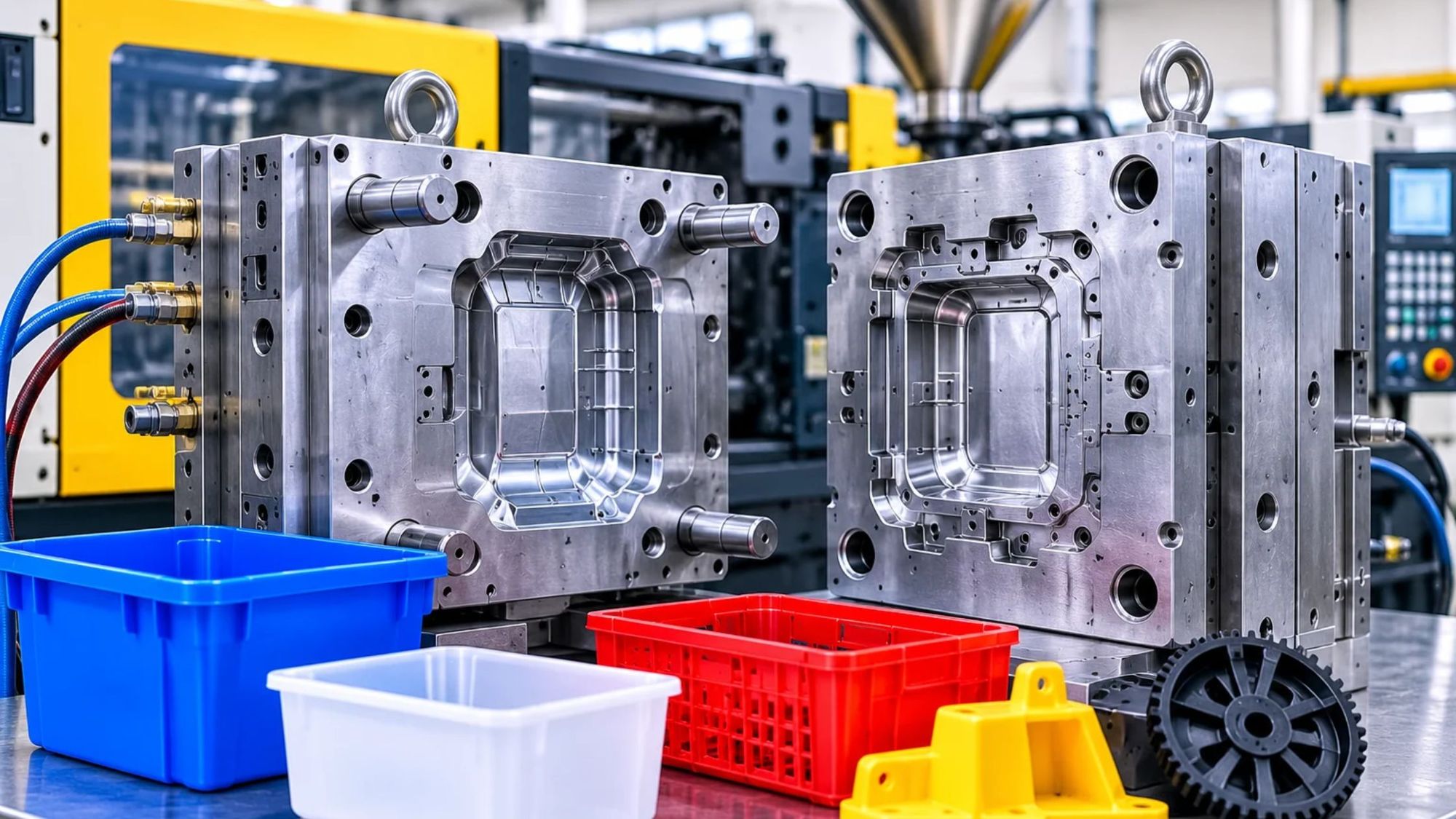
A mold shapes the plastic parts a business needs. If the design, material, or tooling does not match the product, changes can delay production. That is why manufacturers should check these details before ordering custom injection molds in Cleveland, OH. A clear plan covers the part design, sample approval, material, production quantity, and quality checks.
Why Mold Requirements Matter Before Production
A mold gives molten plastic its shape. It must suit the part, the material, and the number of pieces a business needs.
Before ordering, manufacturers should confirm:
- What the part needs to do.
- Which plastic material suits the part.
- How many pieces they need.
- Whether they need a prototype mold or a production mold.
- When they need the parts delivered.
Plastic injection molding projects have a minimum order of 1,000 pieces. Buyers should confirm their required quantity before planning production.
How Will the Mold Match Your Part Design?
The mold must match the part's shape and features. This helps the finished component fit and function as planned.
Review 2D and 3D Designs
2D drawings and 3D models give engineers a clear view of the part before mold creation. They can review its shape and identify design changes needed for manufacturing.
This step gives buyers a chance to discuss the part before production tooling begins. It also helps connect the product design with the right manufacturing process.
What Should You Review Before Approving a Prototype?
A prototype is an early version of a product. It lets buyers check the part before full production starts.
A prototype can be:
- A computer-generated image.
- A small physical model.
- A working beta model.
- A small run of prototype parts.
Check the sample against the approved design. Look at its shape, size, fit, and function. If something needs to change, discuss it before moving to production tooling.
Some specialized projects also use T-0 and T-1 samples. A T-1 sample comes after the first T-0 stage and shows the expected look and function of the finished part.
How Do Material Choices Affect the Finished Part?
The material must suit the part's job. A manufacturer should consider:
- Strength.
- Weight.
- Heat resistance.
- Appearance.
- Environmental impact.
- The part's intended use.
Plastic, carbon fiber, and composite materials serve different needs. Polymer analysis and chemical testing can also check raw materials and finished products for their intended use.
Is the Tooling Designed for Your Required Production Volume?
Tooling must match the number of parts a business plans to produce.
There are different options:
- Prototype molds help create early samples.
- Limited-batch tooling suits smaller production runs.
- Production molds support planned manufacturing runs.
- High-production tooling can be designed for millions of parts.
The material and molding process also affect the tooling choice. Buyers should share their expected order quantity before mold creation begins.
What Should You Know About High-Volume Contract Molding?
Injection molding turns plastic pellets into finished parts in three main steps:
- Melting: Heat turns plastic pellets into liquid material.
- Injection: The melted plastic enters a mold and takes its shape.
- Cooling: The plastic hardens, and the finished part is removed.
Once the mold and equipment are set up, much of the process can run automatically.
When choosing a large tonnage contract molder manufacturer, buyers should ask about:
- The size of the part.
- The mold size and design.
- The type of plastic.
- The number of parts needed.
- The press capacity available for the project.
Press tonnage, mold size, and shot capacity should be confirmed before production begins.
How Are Mold Quality and Part Dimensions Checked?
Each part must meet the required size and material standards. Inspection can include measuring, testing, gauging, and checking materials.
Important quality checks include:
- Critical dimensions: Measurements of key part features.
- Statistical Process Control (SPC): Tracks selected measurements during production.
- Validation checks: Reviews important dimensions during process studies and on the first production article.
- Material testing: Checks material properties through certifications and polymer analysis.
- Third-party inspection: Provides an independent review when needed.
These checks give buyers a clearer picture of part quality during production.
Who Will Coordinate Tooling, Production, and Delivery?
A contract manufacturing project can involve several suppliers and production facilities. A coordinated manufacturing network connects customers with domestic and international facilities, engineering teams, raw material suppliers, and production resources.
The process can bring together:
- Product designers and engineers.
- Raw material suppliers.
- Tooling and production teams.
- Assembly and finishing teams.
- Packaging and shipping partners.
A large tonnage contract molder manufacturer should also fit into the wider production plan. Buyers need to know how tooling, manufacturing, inspection, and delivery will be coordinated.
From Mold Approval to Production Readiness
Mold approval is one step in the process. Machine programming and production planning prepare the project for molding.
After molding, parts can move through other stages, such as:
- Assembly.
- Secondary finishing.
- Testing and inspection.
- Product labeling.
- Retail packaging.
- Shipping and distribution.
Planning these steps early gives buyers a clearer view of how the parts will move from the mold to delivery.
Final Words
Before ordering custom injection molds in Cleveland OH, manufacturers should check the part design, material, prototype, tooling, and production quantity. They should also confirm the quality checks and manufacturing plan. Clear answers at each stage make it easier to move from mold creation to finished parts with confidence.